

September is World Suicide Prevention Month — a time when the global community pauses to acknowledge a truth many find difficult to speak aloud: that children, too, carry pain heavy enough to make them question whether they want to be here. Suicide prevention for children in the Philippines is not a distant concern. It is a conversation happening — or needing to happen — in homes, schools, and children’s shelters right now, including here at Tahanan. Your role in this community can inspire hope and action.
At Tahanan ng Pagmamahal Children’s Home, the children in our care have walked through hardship most adults can barely imagine — abandonment, abuse, neglect, loss. We do not take the weight they carry lightly. And we refuse to look away from it.
Suicide is the act of intentionally ending one’s own life, often as a result of prolonged emotional pain, trauma, or untreated mental illness. According to the World Health Organization, it is a global public health crisis — and one that does not spare children.
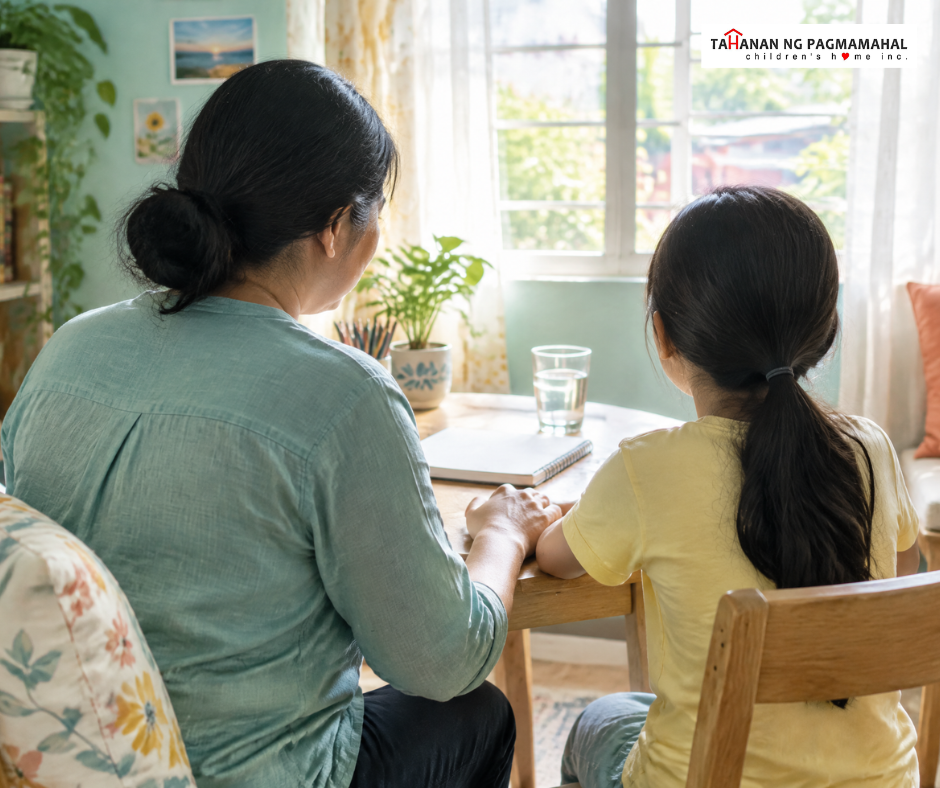
Why Suicide Prevention Starts With a Conversation
According to the World Health Organization, suicide is the fourth leading cause of death among young people ages 15–29 globally. In the Philippines, the stigma around mental health — especially in children — still makes this one of the hardest topics to raise. Many families do not talk about it until something has already gone wrong.
Silence, however well-intentioned, is not protection. When a child has no words for their pain and no one to turn to, the danger only grows. Talking about suicide does not plant the idea. It opens the door to help.
Warning Signs Every Suicide Prevention Advocate Should Know
Children in distress do not always say it plainly. As caregivers, volunteers, and community members, we learn to listen differently. Some signs to pay attention to:
- Withdrawing from friends, activities, or caregivers they normally trust
- Giving away belongings that matter to them
- Saying things like “I won’t be a problem much longer” or “Nobody would miss me”
- Sudden calm after a long period of sadness — sometimes a sign a decision has been made
- Increased talk about death or feelings of hopelessness
- Changes in sleep, appetite, or behavior that feel sharp and out of character
What We Do at Tahanan
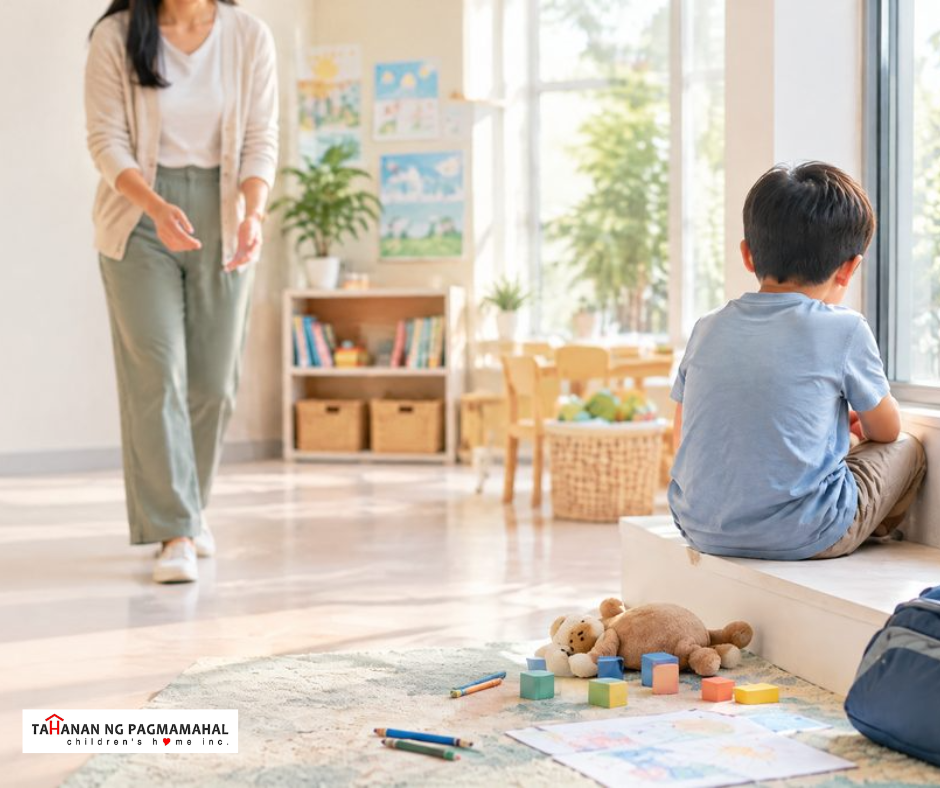
Every child who comes through our doors arrives with a story. Some of those stories include deep trauma and, in some cases, self-harm. Our work — alongside licensed social workers, counselors, and a community of dedicated caregivers — centers on building safety, consistency, and trust. These are not small things. For a child who has never known them, they are everything.
We walk with each child through their healing at their own pace. We teach them to name their emotions, reach out instead of retreat, and believe someone will always answer. Our programs are built on this foundation: that every child, no matter where they started, deserves a life they want to live.
How You Can Help
You do not need to be a mental health professional to make a difference. Here’s where to start:
- Listen without judgment. Sometimes the most powerful thing you can offer a child is the certainty that they will not be shamed for what they share.
- Educate yourself. The Department of Health’s mental health resources and the National Center for Mental Health (NCMH) hotline — reachable at 1553 — are solid starting points for Filipino families and caregivers.
- Supporting organizations doing this work can inspire hope and empower you to feel that your actions, like donating or volunteering, truly matter in extending care to more children.
If you or someone you know needs immediate help, please contact the NCMH Crisis Hotline at 1553 (available 24/7).
A Suicide Prevention Commitment From Our Home to Yours
We named this place Tahanan — home — because that is what every child in our care is building toward: a sense of belonging, of mattering, of being wanted. We believe in their lives fiercely. And we believe in the community that stands with them.
This September, stand with us by participating in local workshops, awareness campaigns, or volunteer programs like those at Tahanan. Your involvement can directly support child mental health initiatives and foster community change.
Because suicide prevention for children in the Philippines starts with one conversation, one open door, one adult who refuses to look away.
Be that person. We’ll keep being that home.
Want to get involved? Learn how you can support a child at Tahanan.