
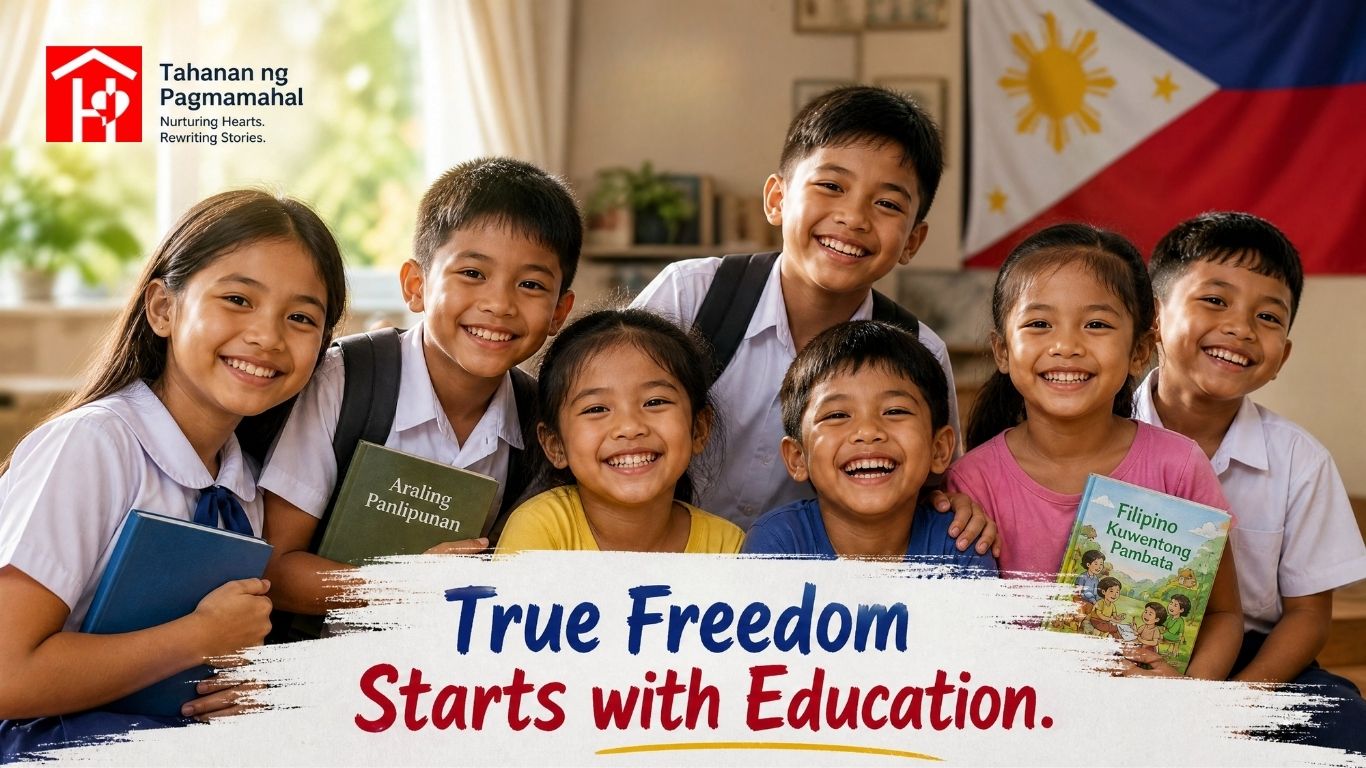
Every year on June 12, the Philippine flag rises over schools, barangay halls, and home windows across the country. The air fills with the Lupang Hinirang. Children wave little flags. Families gather. And for a brief, beautiful moment, the whole archipelago breathes in something that feels like pride.
But beyond the parades and the pageantry, Philippine Independence Day carries a question worth sitting with: What does freedom actually mean for a child who has never had a safe place to call home?
At Tahanan ng Pagmamahal Children’s Home (TPCH) in Pasig City, we ask that question every single day — not just in June. We believe the answer lies in education. Not just classroom learning, but the kind of education that restores dignity, builds confidence, and gives a child the tools to author their own future.
True freedom, we have learned, starts with education.
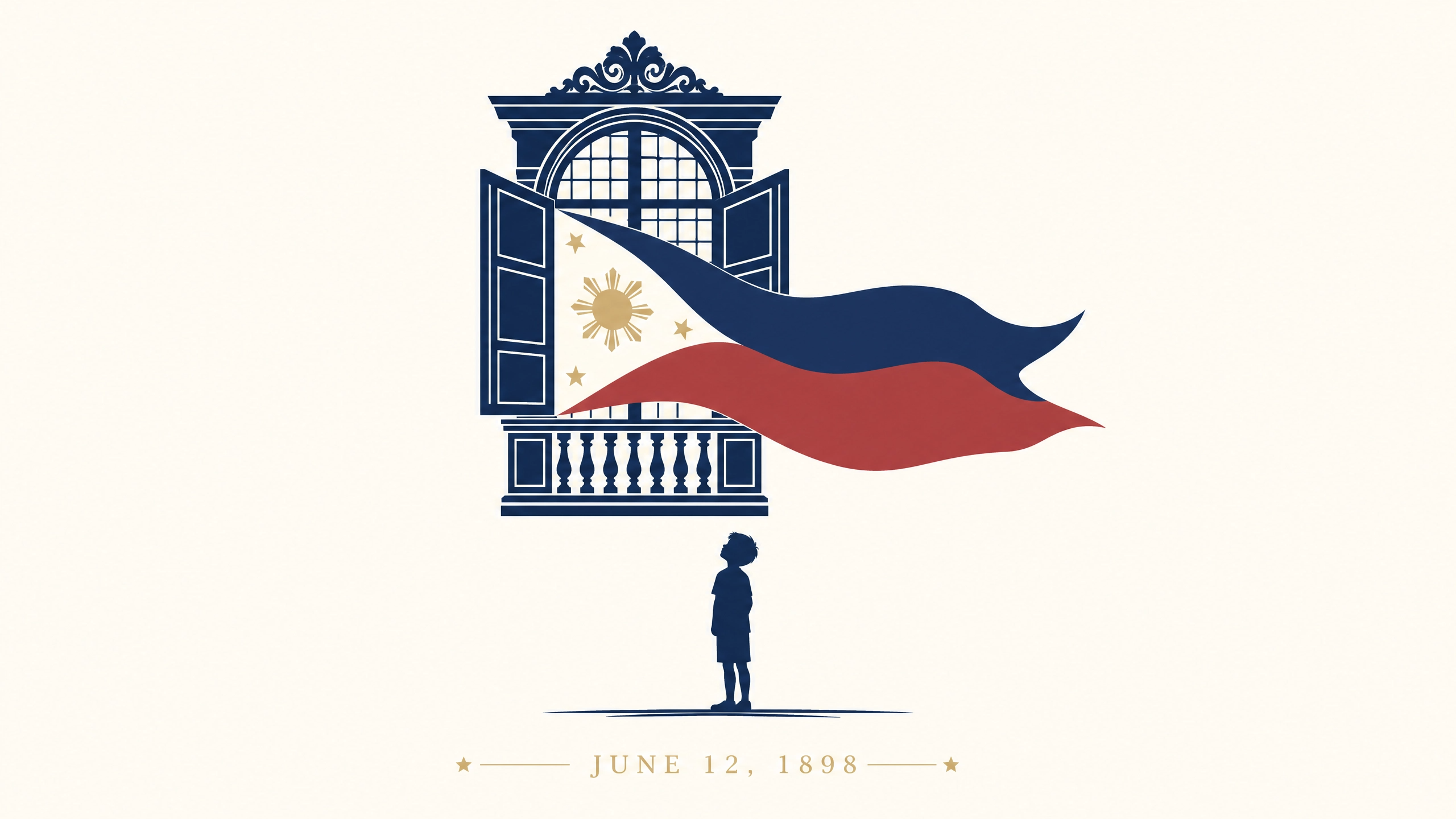
On June 12, 1898, General Emilio Aguinaldo declared Philippine independence from the window of his home in Kawit, Cavite. The Philippine flag was unfurled for the first time. The national anthem played. It was a declaration not just of political sovereignty, but of a people’s right to determine their own story.
Araw ng Kalayaan — the Day of Freedom — is about more than the end of Spanish colonial rule. At its heart, it is a celebration of the belief that every Filipino deserves to live with dignity, opportunity, and voice.
Yet more than a century later, that promise of freedom remains unfinished for far too many Filipino children. Children who grow up without stable families. Children who age out of state care without a diploma or a clear path forward. Children for whom the classroom is a luxury they cannot always access.
Independence Day asks us to remember them, too.
The Link Between Freedom and Education in the Philippines
The Philippines’ struggle for independence was, in many ways, a struggle for the right to learn. Under Spanish colonial rule, access to education was tightly controlled. It was no coincidence that many of the country’s most prominent revolutionaries — Jose Rizal, Marcelo H. del Pilar, Graciano Lopez Jaena — were writers, thinkers, and educators. They understood that a people who could read, reason, and articulate their own worth could not be kept in chains indefinitely.
That truth has not changed.
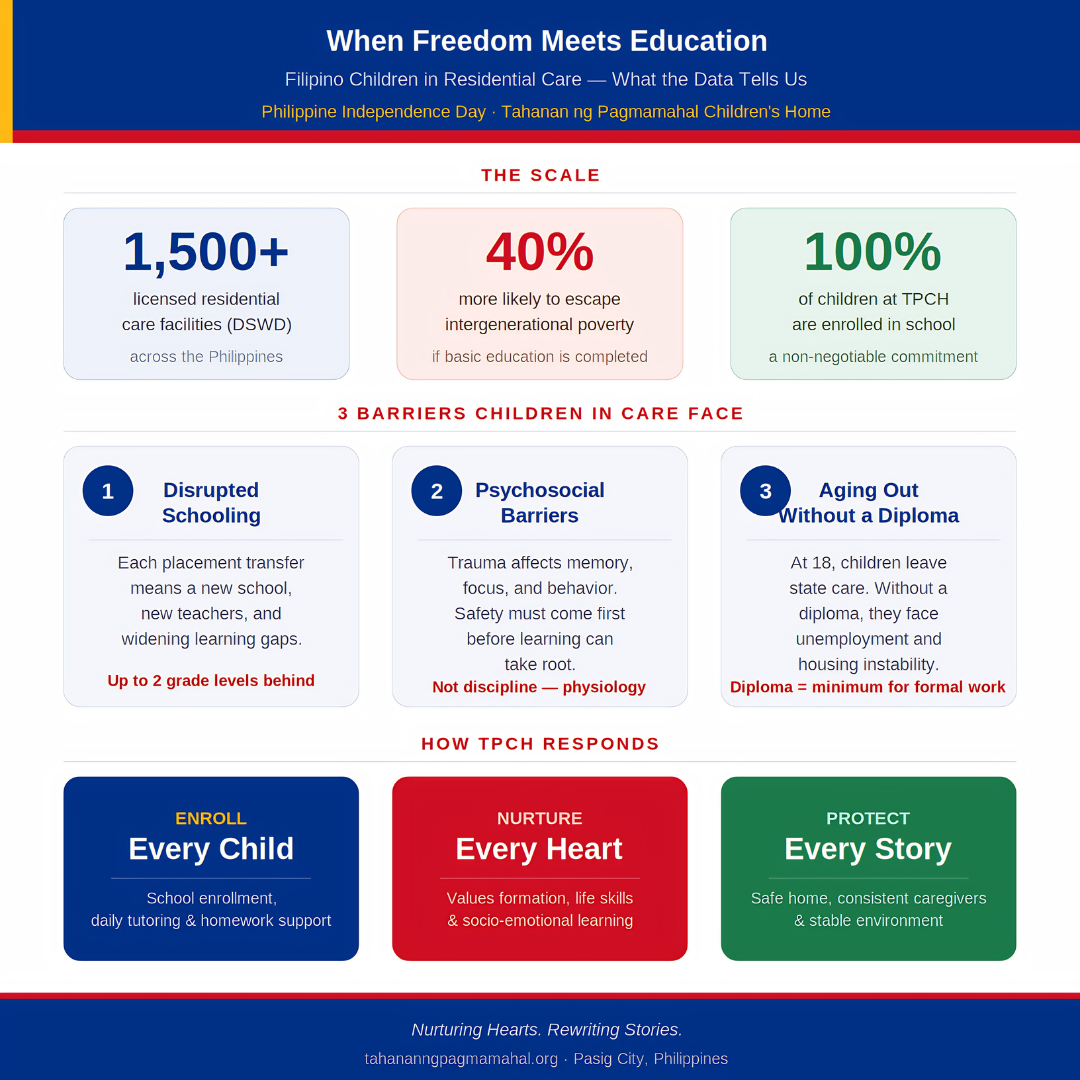
A Filipino child who completes basic education is 40% more likely to escape intergenerational poverty. A child who learns to read with fluency develops the cognitive tools to navigate an increasingly complex world. A child who experiences a structured, nurturing learning environment — even one built inside the walls of a children’s home — learns that they matter, that their voice counts, and that their story is still being written.
Education is not merely a pathway to employment. It is the foundation of self-determination. And self-determination is what independence has always been about.
How Tahanan ng Pagmamahal Lives This Out Every Day
At TPCH, our mission is captured in four words: Nurturing Hearts. Rewriting Stories. The children in our care come from some of the most difficult circumstances imaginable — abuse, neglect, abandonment, and family crisis. They arrive carrying wounds that are invisible to the eye but heavy on the spirit.
Education is central to everything we do, not as an add-on, but as a core act of care.
Academic Support and School Enrollment
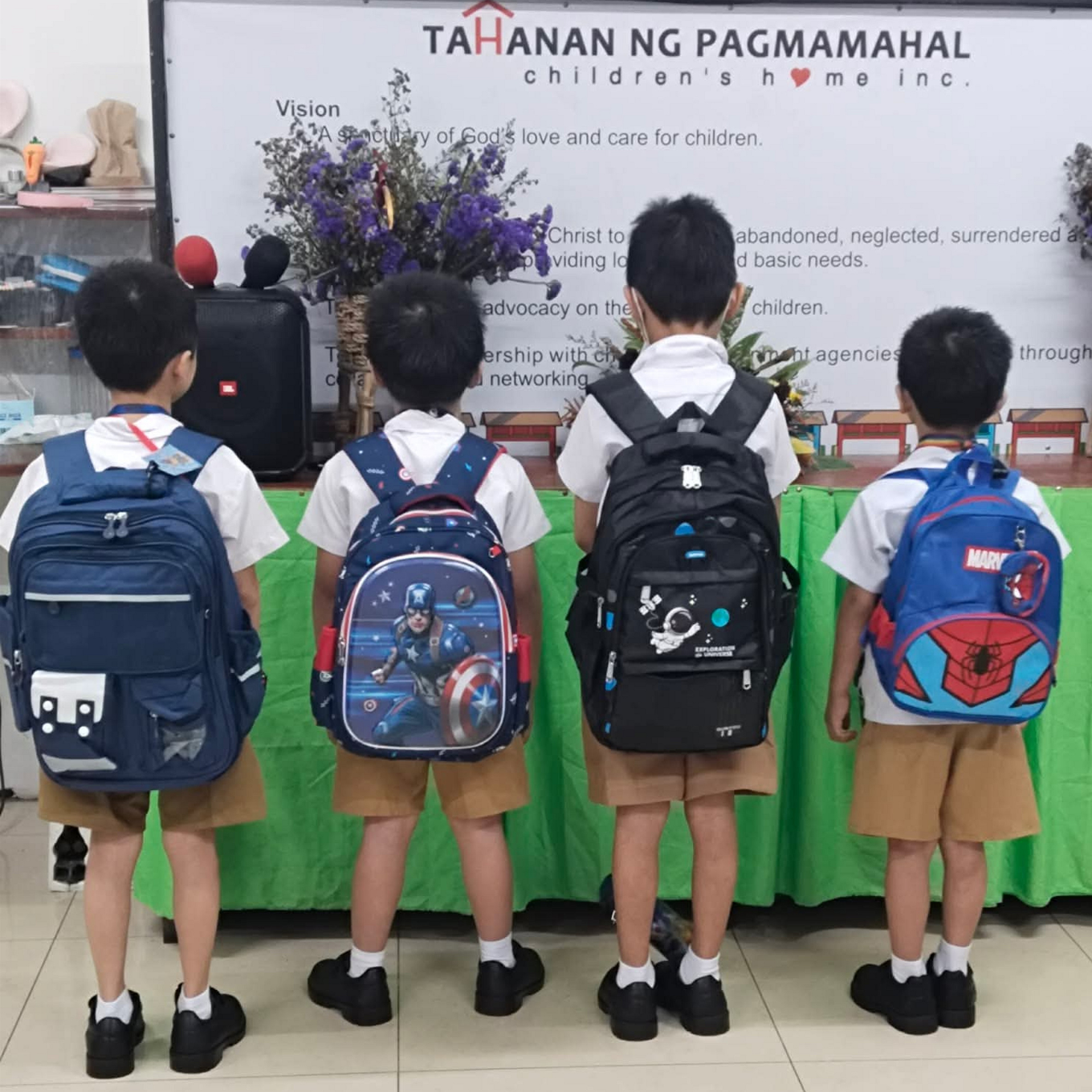
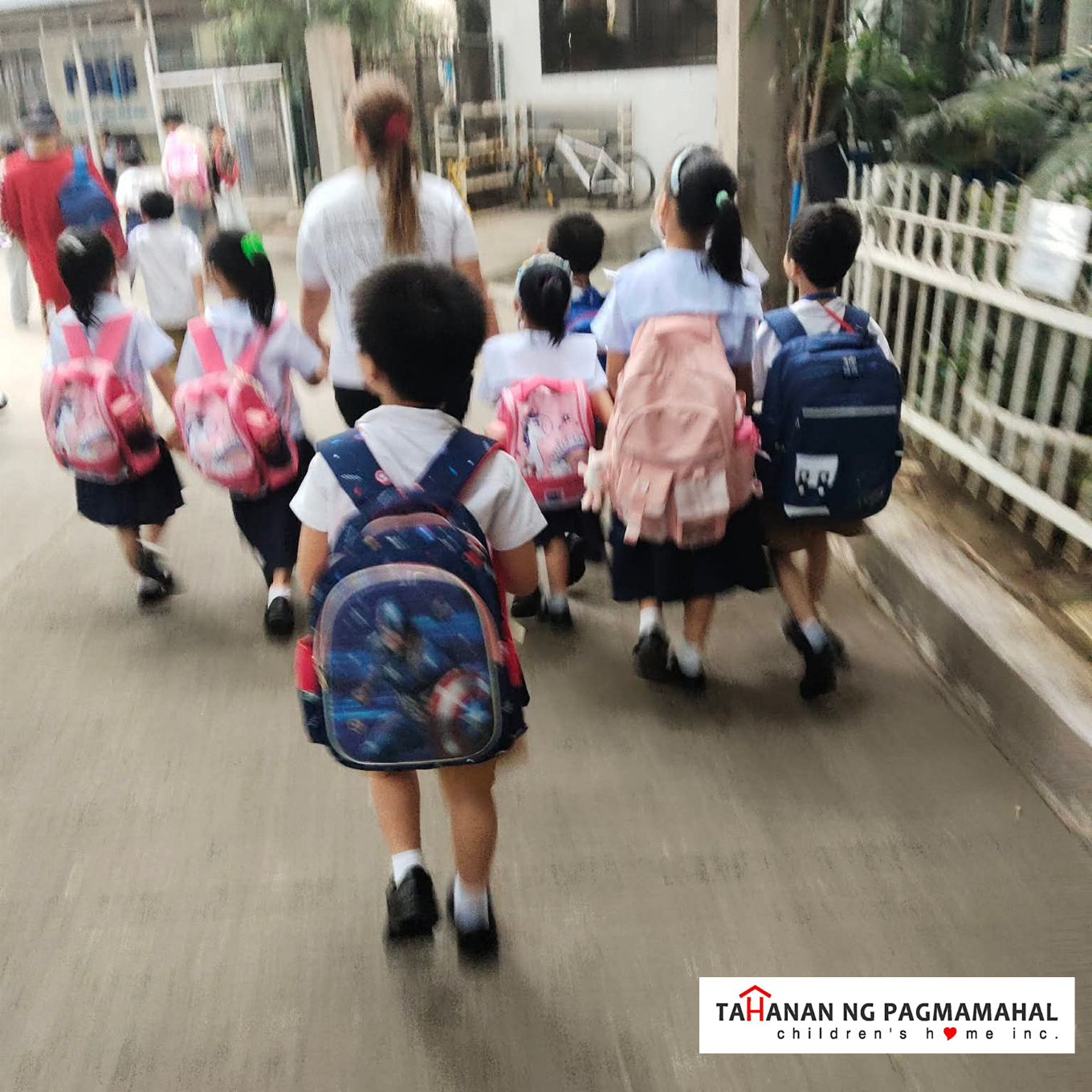
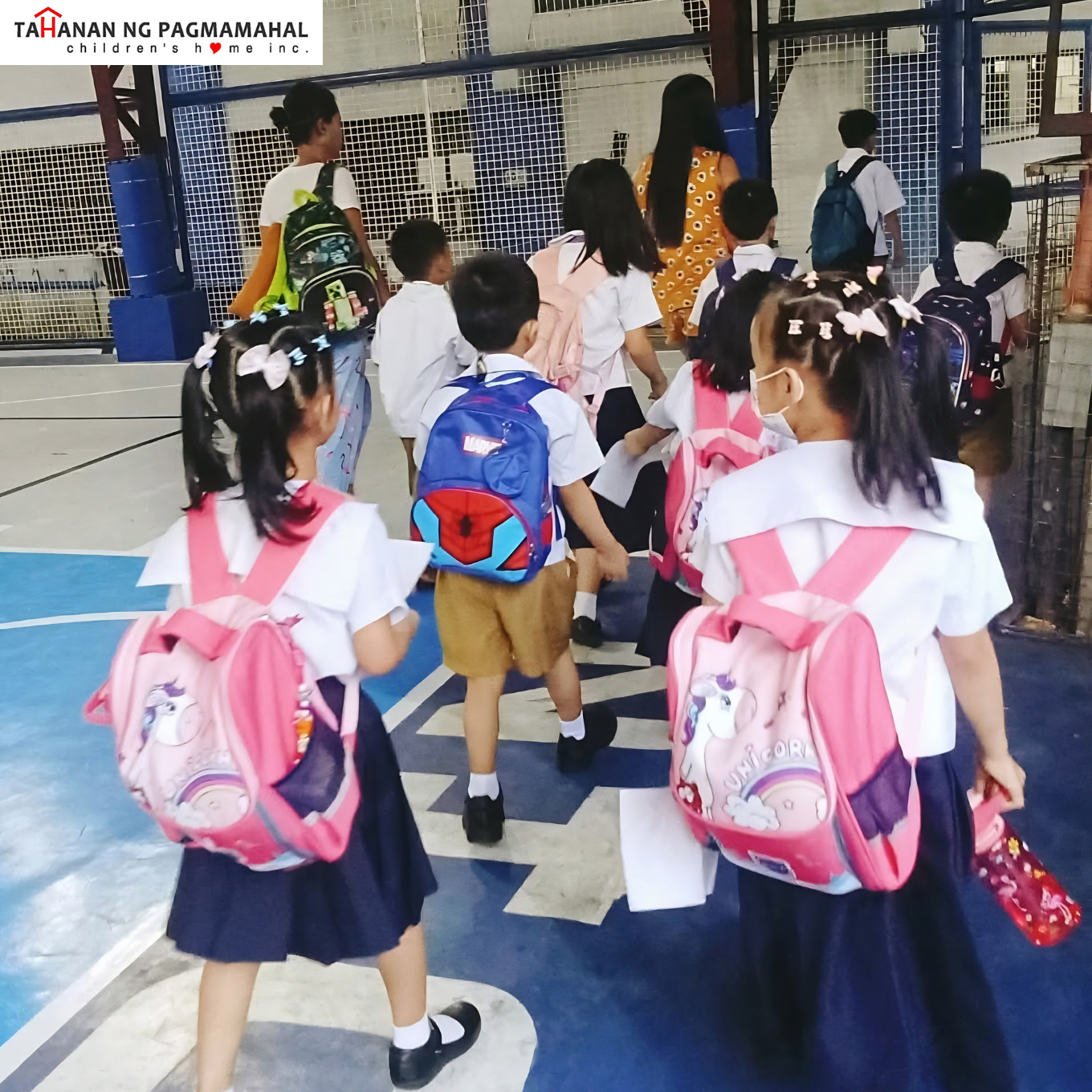
Every child at TPCH is enrolled in school. Our staff and volunteers provide daily academic support, tutoring, and homework assistance. For children who have experienced disrupted schooling, we meet them where they are — without judgment, with patient consistency.
We celebrate academic milestones the way families should: with recognition, with joy, with the message that this achievement is yours, and no one can take it from you.
Life Skills and Values Formation
True freedom also means knowing how to navigate life beyond the school gate. Our programs include values-formation sessions, life-skills training, and socio-emotional learning activities designed to help children develop resilience, self-awareness, and healthy relationships.
We teach children to communicate their needs, to resolve conflict peacefully, and to dream with specificity. We teach them that who they are is not determined by where they came from.
A Safe Space to Grow
Perhaps most fundamentally, TPCH offers something every child needs before learning can truly take root: safety. A stable environment. Consistent caregivers. Meals, rest, and the quiet assurance that tomorrow will come and someone will still be there.
Research consistently shows that children who feel secure learn better, retain more, and develop stronger social bonds. Safety is not separate from education. It is a prerequisite.
What Every Filipino Child Deserves This Independence Day
This June 12, as the nation marks another Araw ng Kalayaan, we invite you to think about what independence means for the most vulnerable among us.
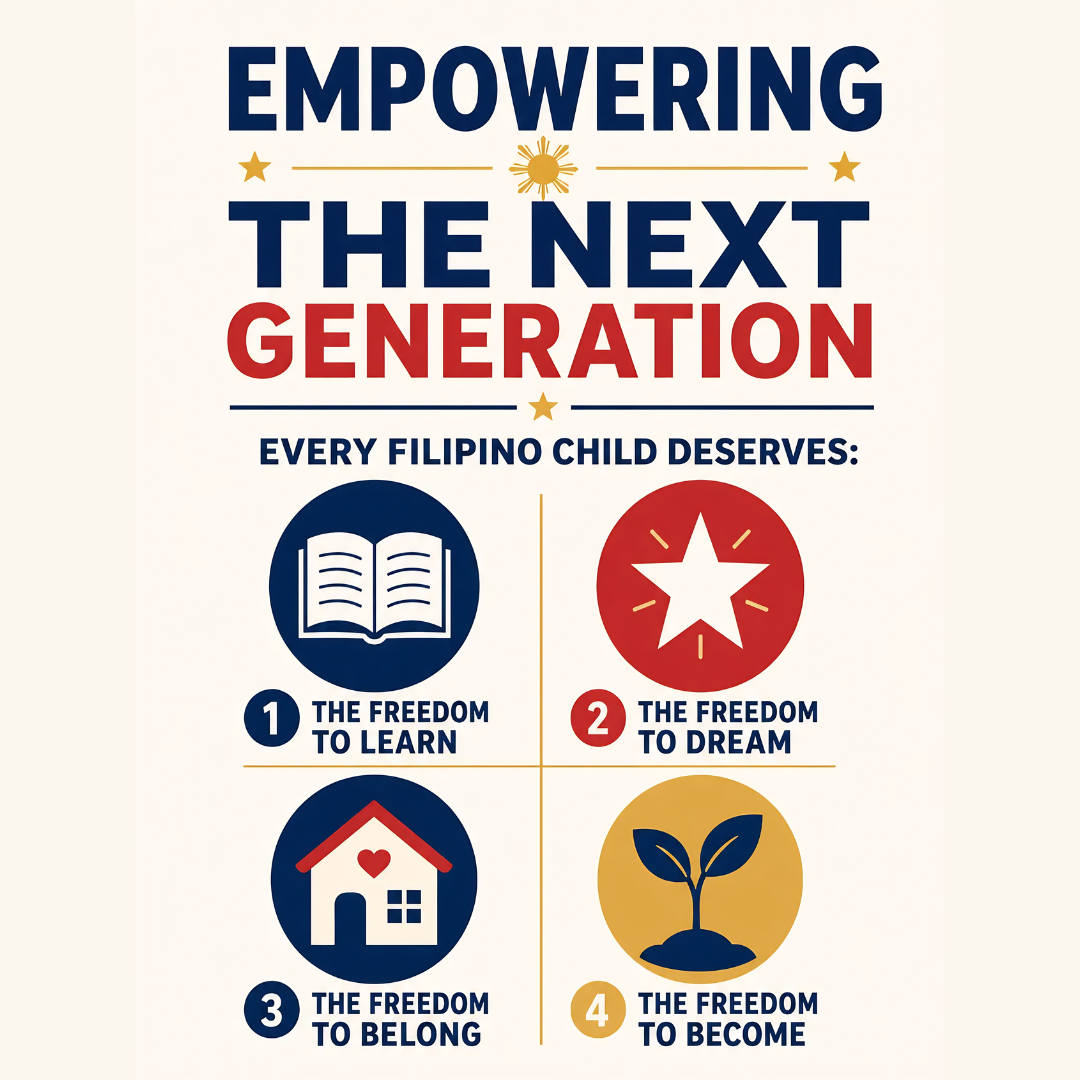
These are not abstract ideals. They are daily realities that caring communities can help create. And they are exactly what TPCH works toward, 365 days a year.
How You Can Join the Mission
Freedom, as our heroes knew, is never won by one person alone. It is built through collective will — through people choosing, again and again, to act on behalf of those who cannot yet act for themselves.
You can be part of that effort today.
When you support a child, you are not just providing a meal or a school uniform. You are investing in a child’s capacity to be free — free from cycles of poverty, free from the belief that their beginning defines their ending, free to contribute to the nation that celebrates independence every June 12.
You can also explore our other advocacy stories and program updates on the Tahanan ng Pagmamahal Blog — where we share the faces, the milestones, and the breakthroughs that make this work worth doing.
A Declaration Worth Renewing Every Year
Philippine Independence Day is a time for flags and anthems, yes. But it is also a time for questions. For accountability. For asking whether the freedom declared in 1898 has truly reached everyone it was meant to reach.
At Tahanan ng Pagmamahal, we believe the most patriotic thing we can do this June 12 is to keep showing up for the children who need it most — with education, with love, and with the unshakeable conviction that every Filipino child deserves a story worth telling.
Because on this Philippine Independence Day, and every day after it, true freedom starts with education.