

Inside the walls of Tahanan ng Pagmamahal, the most important mothers in some children’s lives are women who chose them — not by birth, but by calling.
Before the sun rises over Pasig City, she is already in the kitchen — warming milk for a toddler who is not hers by birth, but who is completely hers by heart. She knows which child needs to eat first. She knows who had a nightmare last night and will need an extra hug before breakfast.
This Mother’s Day in the Philippines, we want to tell you about her.
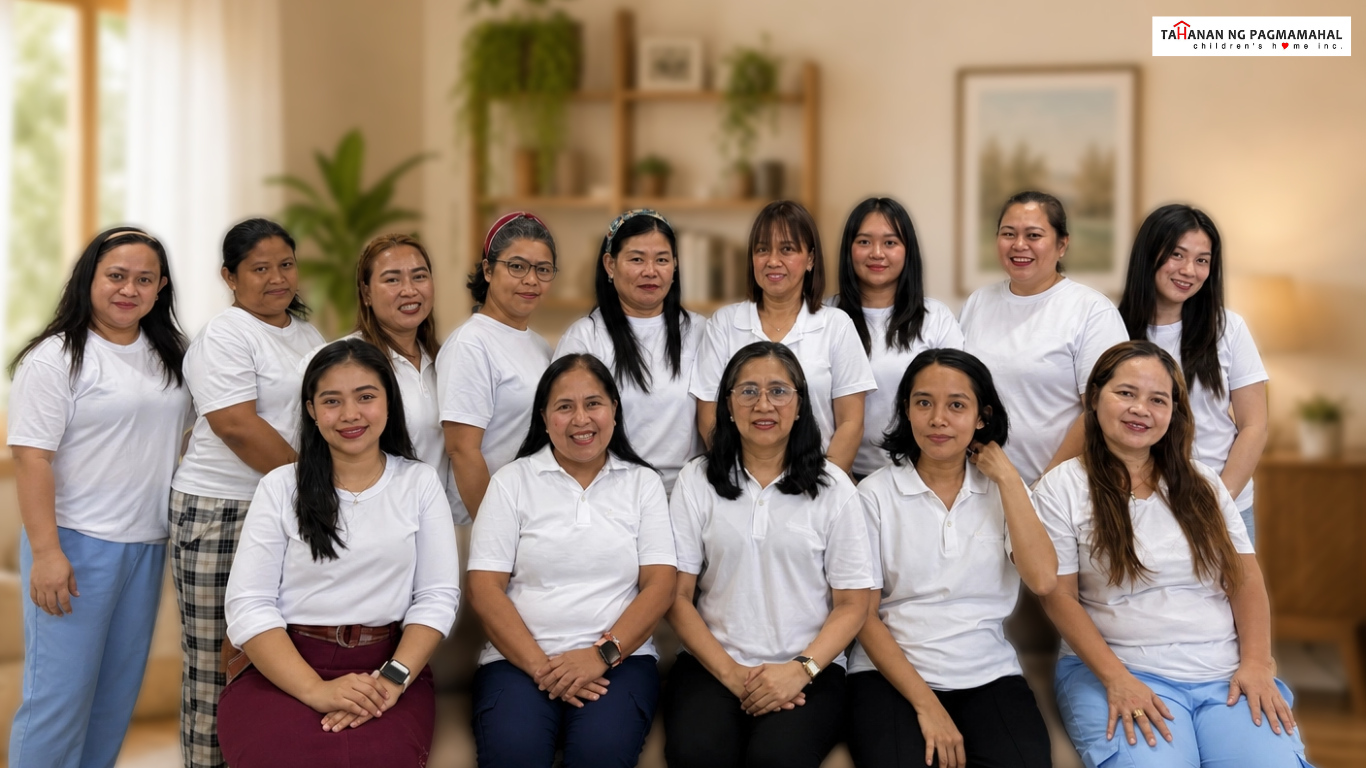
At Tahanan ng Pagmamahal Children’s Home, our house mothers — or “Titas,” as the children call them — are the quiet foundation of every healing that happens within these walls. They are not nurses or teachers, though they do the work of both. They are, in every meaningful sense of the word, mothers.
And this Mother’s Day, we are asking you to honor them.
Tahanan ng Pagmamahal — which means “Home of Love” in Filipino — is a DSWD-accredited residential care facility in Pasig City, Metro Manila, that has served abandoned, neglected, and surrendered children since July 2007. Over nearly two decades, hundreds of children have passed through these doors, many of them carrying wounds that no one could see.
At the center of everything are the Titas. These are the women who make Tahanan function not as an institution, but as a family.
Their official title may be house mother or caregiver, but that word barely contains what they actually do. Every day, they fulfill the roles of nurturer, counselor, nurse, teacher, and spiritual guide — often all before noon. They prepare three meals, assist with homework, administer medicine, mediate conflicts between children, comfort those who cry without knowing why, and tuck everyone in at night with a prayer.
But more than any task on that list, they do something far harder to define: they show up. Every single day, for children who once believed that no one would.
The Invisible Weight of Childhood Trauma
What the Children Carry When They Arrive
Many of the children who come to Tahanan have experienced things no child should ever have to face: abandonment, abuse, neglect, or the sudden collapse of the only family they knew. They arrive with invisible luggage — a weight that expresses itself not in words, but in behaviors.
Some children refuse eye contact for weeks. Others flinch at a gentle hand on the shoulder. Some act out in ways that seem defiant but are actually desperate — testing, over and over, whether love here will also eventually disappear. These are not difficult children. These are children who have learned, through experience, that the world is not safe.
Research in developmental psychology consistently confirms that early trauma — particularly disruption of primary attachment bonds before age five — can affect brain development, emotional regulation, and a child’s capacity to form trusting relationships. Without consistent, compassionate intervention, these effects can persist into adulthood.
Why Maternal Love Is a Clinical Tool
This is not sentiment. It is science.
Decades of research in attachment theory, pioneered by British psychiatrist John Bowlby and expanded by researchers worldwide, have established that children who develop a secure bond with at least one consistent adult figure develop significantly better outcomes in emotional regulation, cognitive development, and social functioning.
For children in residential care, that figure is often the house mother. Her consistent presence — the same face at breakfast, the same voice at bedtime, the same arms available when the nightmares come — is not just comfort. It is medicine.
At Tahanan, our Titas are trained in trauma-informed care. They understand that a child who pushes them away may be testing whether love here is conditional. They know that patience, consistency, and predictability are not just virtues — they are the very architecture of healing.
A Day in the Life of a Tahanan Tita
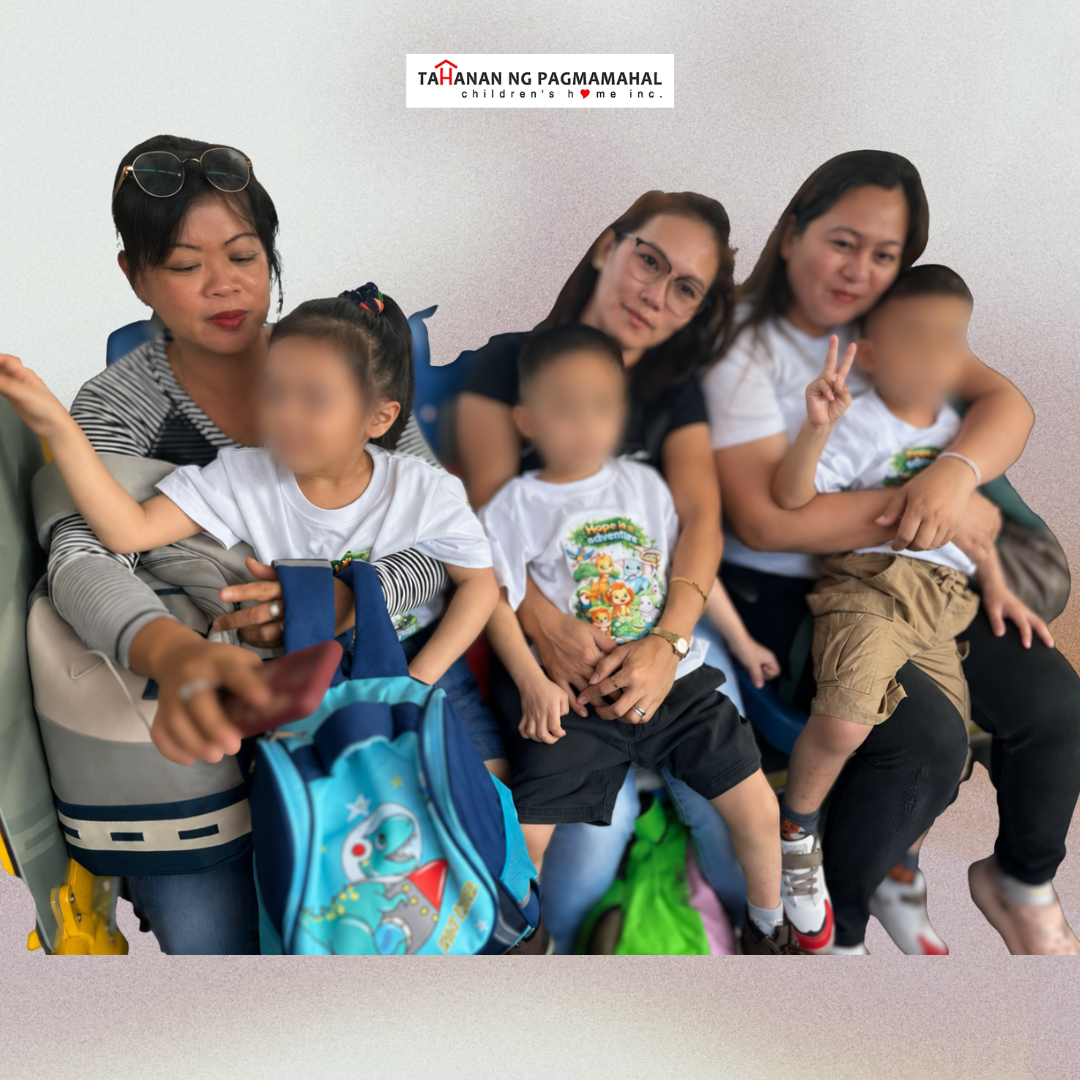
There is no ordinary day at Tahanan, because every child is different, and every day brings its own moments of grace — and its own challenges. But here is a glimpse of what our house mothers give, from sunrise to prayer.
Before Sunrise
The kitchen lights come on before the children stir. Breakfast is being prepared based on each child’s dietary needs — because the Tita knows that this one cannot eat eggs, that one is on iron supplements, and the baby needs her formula at exactly the right temperature.
School Hours
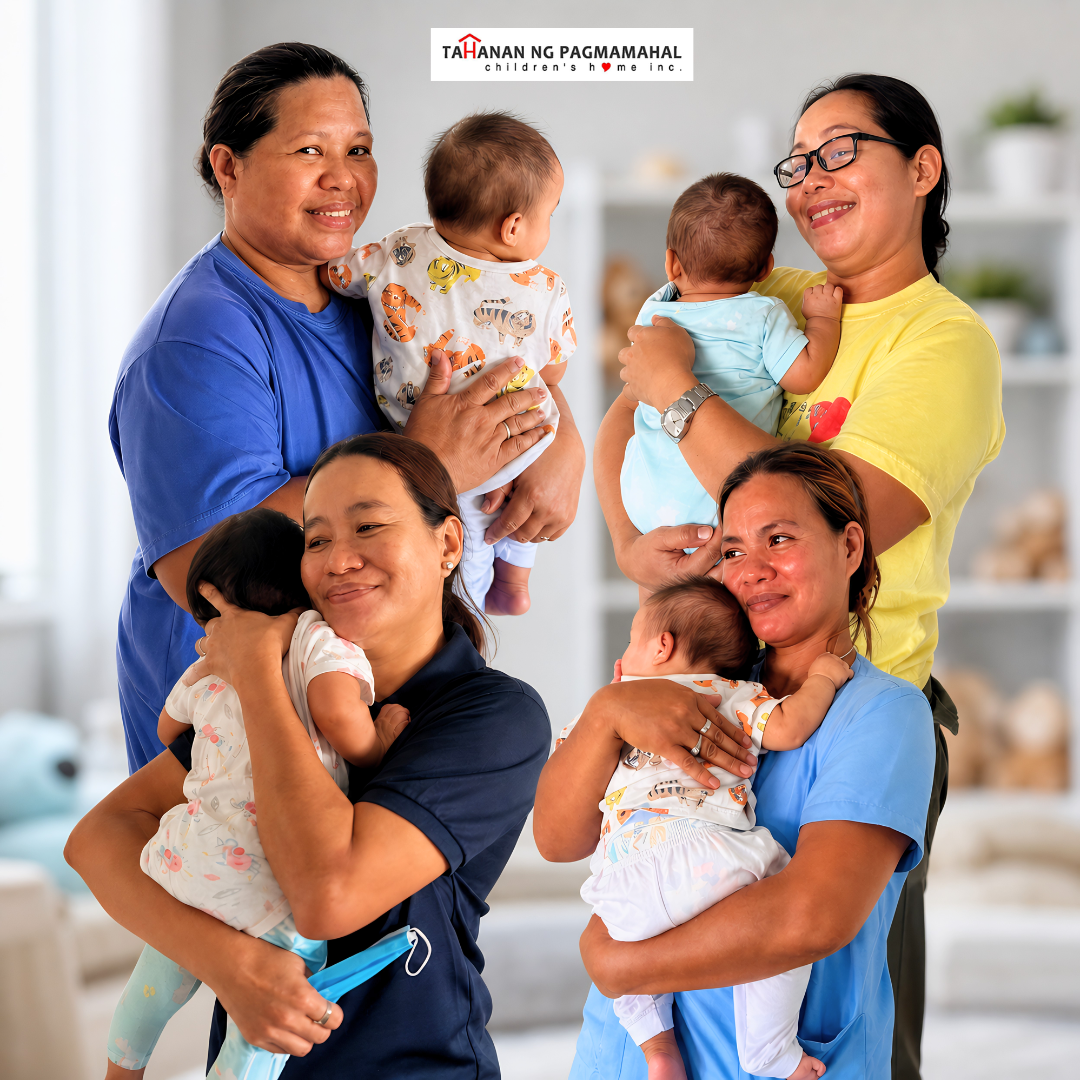
Older children are walked to the gate or accompanied to school. The younger ones remain at home for early childhood activities — storytelling, sorting games, and drawing. The Tita monitors developmental milestones, notes any changes in behavior, and reports to the social worker if something seems off. Infants are bathed, bottle-fed, burped, and rocked.
The Long Afternoon
Homework help, merienda, playtime in the yard, baths, and dinner. The evenings at Tahanan sound like any Filipino home — laughter, a little chaos, the smell of rice and ulam, the sound of children arguing over who gets the last piece of bread. The Titas navigate all of it with a steadiness that looks effortless from the outside but costs something real.
After Lights Out
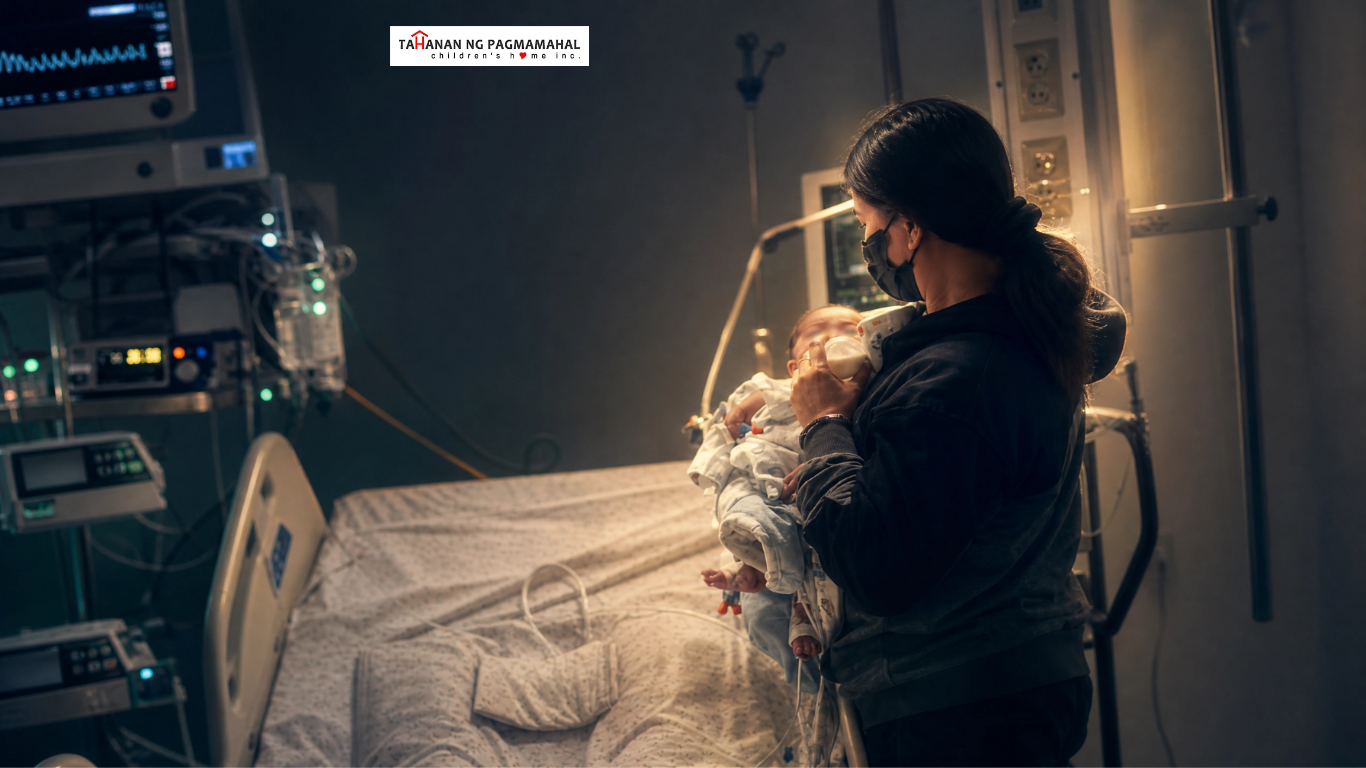
Nighttime is when some of the hardest work happens. Nightmares are common for children who have experienced trauma. A good Tita does not rush a frightened child back to sleep. She sits. She stays. She does not check her watch.
That willingness to stay — when no one is watching, when there is no applause, when the child may not even remember it in the morning — is what separates caregiving from mothering.
Faith and Resilience: Journeys of Healing
The work is heavy. The days are long. But our house mothers carry it all with the same quiet strength that brought them here — a faith that never wavers, and a love that never lets go.
Tahanan ng Pagmamahal was built on the conviction that every child is made in the image of God and deserves to be treated as such — with dignity, with gentleness, and with the knowledge that they are loved by a Father who does not abandon.
Our house mothers carry that theology into the practical and the mundane. They pray with the children before meals and before bed. They speak of God’s love not as an abstraction but as something tangible: present in a warm blanket, in a hand held during a doctor’s visit, in the patience shown on a hard day.
For children who arrived at Tahanan with every reason to distrust the world, this daily witness of faith is quietly, profoundly transformative. They begin to see that love has no conditions. They begin to heal slowly.
What Healing Actually Looks Like
Healing from childhood trauma is not a straight line. It is not a moment. It is a slow accumulation of small, consistent mercies — and it can look very different for each child.
Sometimes healing looks like a child who, three months after arriving withdrawn and silent, laughs for the first time at dinner. Sometimes it looks like a child who used to hoard food — a classic trauma response rooted in scarcity — finally trusting that tomorrow’s plate will be full. Sometimes it looks like a teenager who, for the first time in her life, allows herself to cry in front of someone else.
These moments do not happen in a therapy session. They happen at the kitchen table. They happen in the dark. They happen because a Tita was there, again, the way she always is.
The long-term outcomes for children who receive consistent, secure care reflect this. Children who develop strong attachment figures in residential settings are measurably more likely to perform better academically, build healthy peer relationships, develop emotional resilience, and break cycles of intergenerational trauma.
Celebrating Mother’s Day in the Philippines: How You Can Make a Difference
The work our house mothers do is sustained by the generosity of people like you. Every donation to Tahanan ng Pagmamahal goes directly toward the resources that make their care possible — nutritious meals, medicine, educational materials, hygiene supplies, and the professional training that keeps them equipped for the emotional demands of this work.
To every house mother who has ever warmed milk before sunrise, who has stayed up through a nightmare, who has said “I love you” to a child who did not yet know how to say it back — thank you.
Thank you for choosing this work. Thank you for staying when it was hard. Thank you for being the kind of constant that these children had never known — and the kind they will carry with them for the rest of their lives.
This Mother’s Day, as we honor all mothers, let us extend our gratitude to the house mothers of Tahanan ng Pagmamahal. Their selfless dedication embodies the profound impact of maternal love, healing trauma, and shaping futures.
Support their mission this Mother’s Day in the Philippines, and help us continue to provide a loving home for every child. Every amount is meaningful. Every peso given says to a child, “You matter enough for someone to stay.”